
Reduce Refrigeration Costs Chain-Wide—Verified Unit by Unit
Convenience store operators managing 50 to 500+ locations use eTemp to drive verified energy savings across beverage coolers, open merchandisers, and walk-in coolers—at a per-unit economics that justify rapid chain-wide deployment.
Customer testimonial — Canadian Tire
Two years in, the ongoing cost of ownership has been zero. All the claims that were made for it were absolutely true.
The Refrigeration Economics of Chain C-Store Operations
High unit counts per location amplify energy cost exposure
A typical convenience store location operates 10 to 20 or more refrigeration units: glass-door beverage coolers, open-face merchandisers, walk-in coolers, and frozen food cases. Across a 100-location chain, that's 1,000 to 2,000 units running continuously. At scale, refrigeration becomes one of the top three facility energy cost drivers—and one that compounds across every location in your network.
Standardizing efficiency across a distributed network
Chain operators face the challenge of deploying efficiency improvements consistently across locations that may vary by vintage, equipment brand, store format, and regional energy rates. Programs that work in theory at one location don't always translate across the chain. eTemp's pilot process measures performance at the unit level and accounts for variance across locations before projecting chain-wide results.
Compressor maintenance at scale
Open-face merchandisers and beverage coolers cycle compressors at high frequency, particularly in high-traffic store environments where doors are opened constantly. Compressor failures across a large chain generate significant labor costs, product loss exposure, and unplanned capital expenditures. eTemp reduces compressor cycle frequency by 50%, extending the intervals between service events and component replacements.
Unit-by-Unit Performance Across Every C-Store Refrigeration Type
Beverage Coolers and Glass-Door Merchandisers
Beverage coolers are typically the highest-count unit type in a convenience store and run continuously under high demand from customer traffic. eTemp's waste recovery technology reduces compressor run time and energy draw per unit by an average of 20%, without affecting beverage temperature compliance or product display requirements.
Open-Face Merchandisers
Open-face coolers—among the most energy-intensive units per square foot in any retail environment—cycle compressors at high frequency to compensate for ambient air exchange. eTemp reduces the energy cost of maintaining open-face displays without equipment modification or changes to product placement.
Walk-In Coolers
Walk-in cooler performance has an outsized impact on energy spend per location. eTemp baselines walk-in units alongside front-of-house merchandisers during the pilot, delivering a complete picture of refrigeration energy cost reduction across the full store footprint.
Chain-Wide Standardization After a Pilot
Following a pilot at representative locations—typically two to five stores selected to represent your range of formats and equipment vintages—eTemp's verified savings reports provide the documentation needed to justify chain-wide deployment to your CFO and procurement team. Rollout pricing, installation scheduling, and phased deployment timelines are structured to fit capital planning cycles.
The Math at Scale
At 20% energy reduction per unit and an average of 15 units per location across a 100-location chain: that's 1,500 units, each reducing energy consumption materially, each extending its compressor's service life. The aggregate impact on energy spend and maintenance labor is significant—and the payback period at scale contracts below the per-unit average.
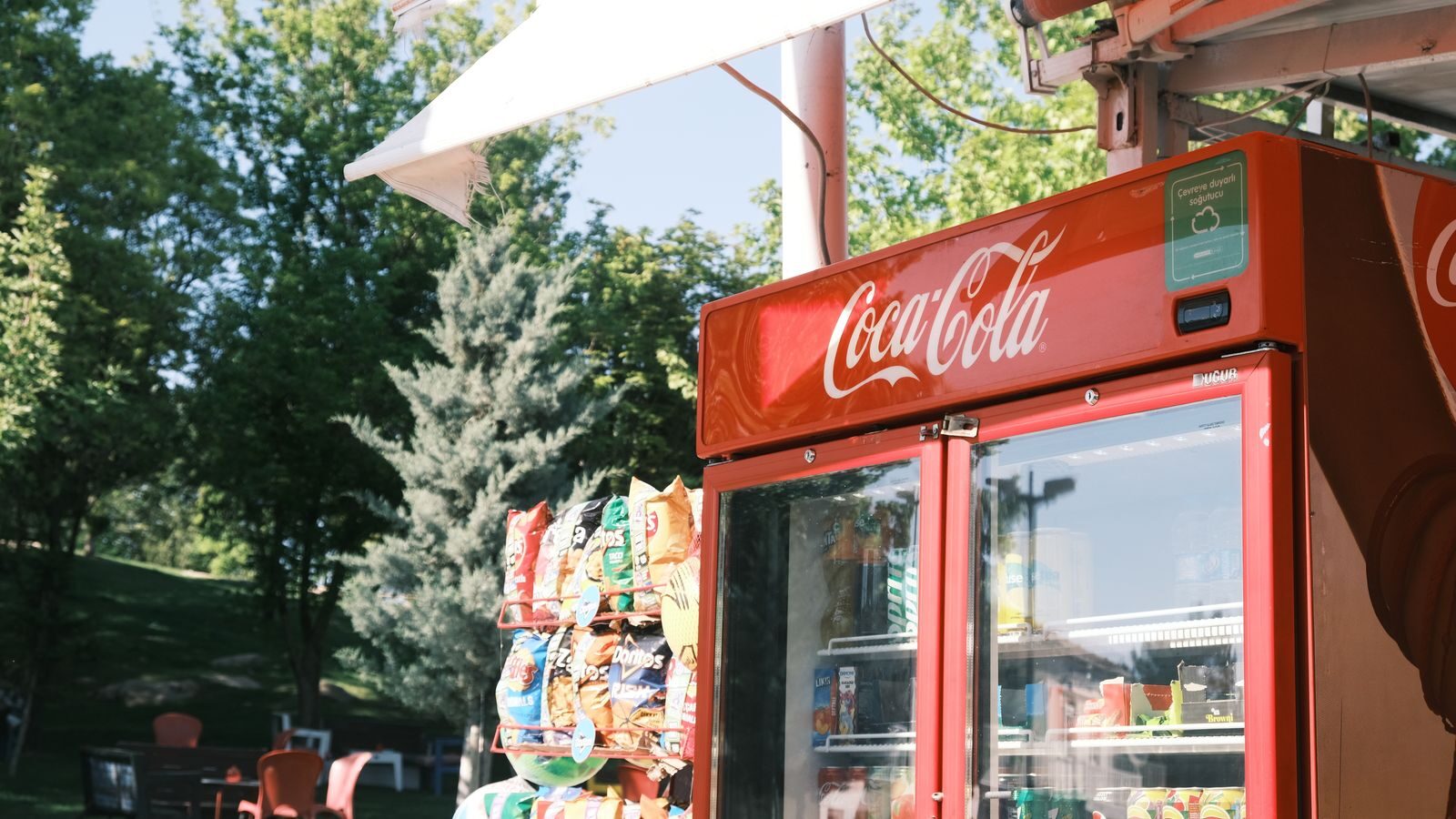
High unit counts per location — beverage coolers, open merchandisers, walk-ins — mean per-unit savings compound quickly across a chain.
Performance Benchmarks for C-Store Chain Operations
One Location Is All It Takes to Prove the Case.
A pilot across two or three representative stores gives you verified data that justifies chain-wide rollout.